Research


We are exploring the voluntary reduction in carbon footprint and psychological wellbeing: a longitudinal cross-cultural investigation
Why is exploring this important?
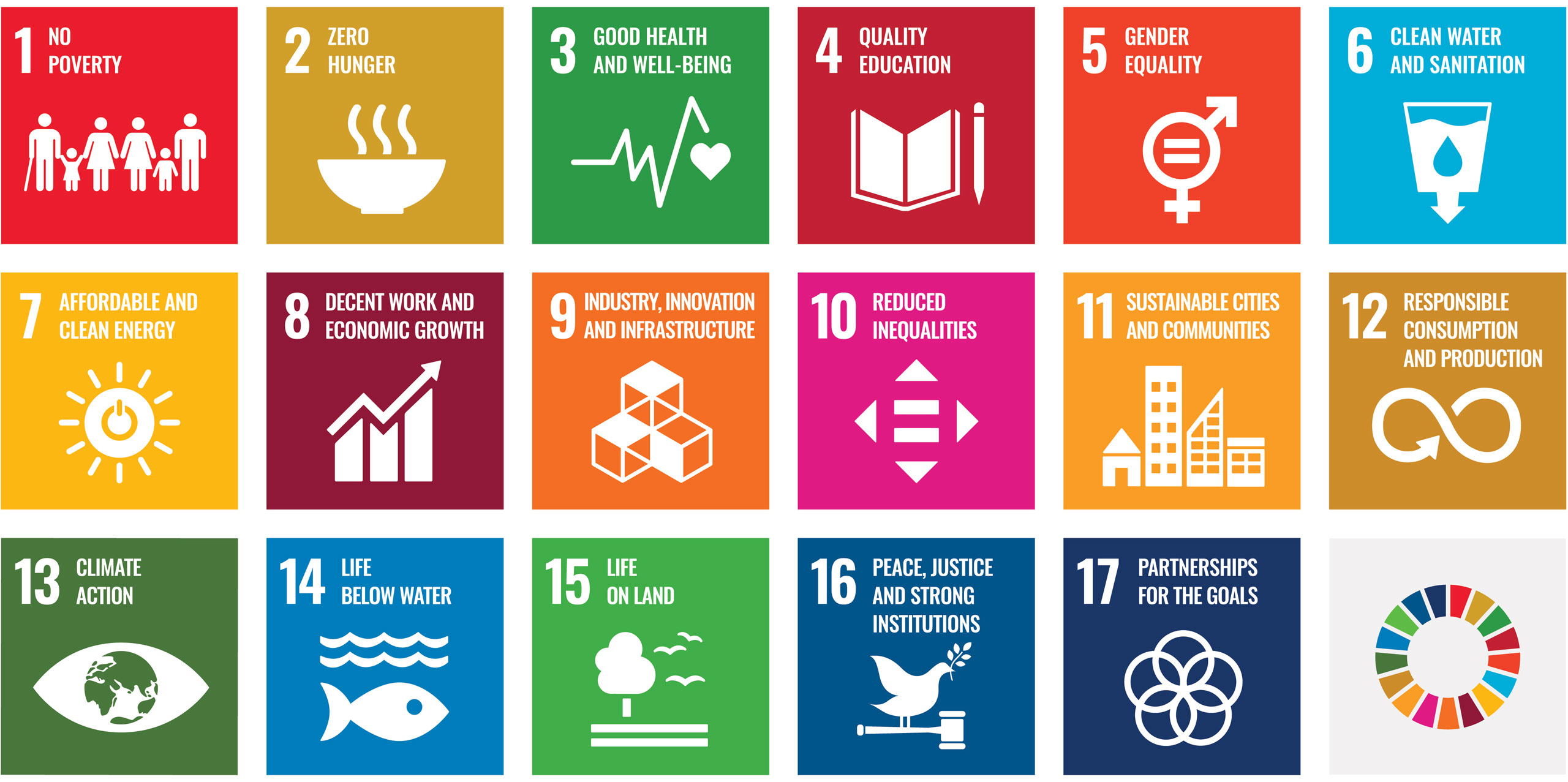
- The 2023 IPCC Report highlighted the impacts of global temperature rise and aims to limit warming to 1.5°C under the Paris Agreement (Lee et al., 2023).
- Climate Action and Affordable and Clean Energy are UN Sustainable Development Goals (SDGs) (UNDP, 2026).
What can psychologists do?
- Research on how individual low-carbon choices can reduce emissions and improve public health and equity, so policies can be put into place to reinforce this (Lee et al., 2023).
What does past research suggest?
- Cognitive climate-change hope is consistently positively related to engagement (Ojala, 2023)
- Having hope that humans will reduce climate change can be constructive and motivate political action (Marlon et al., 2019)
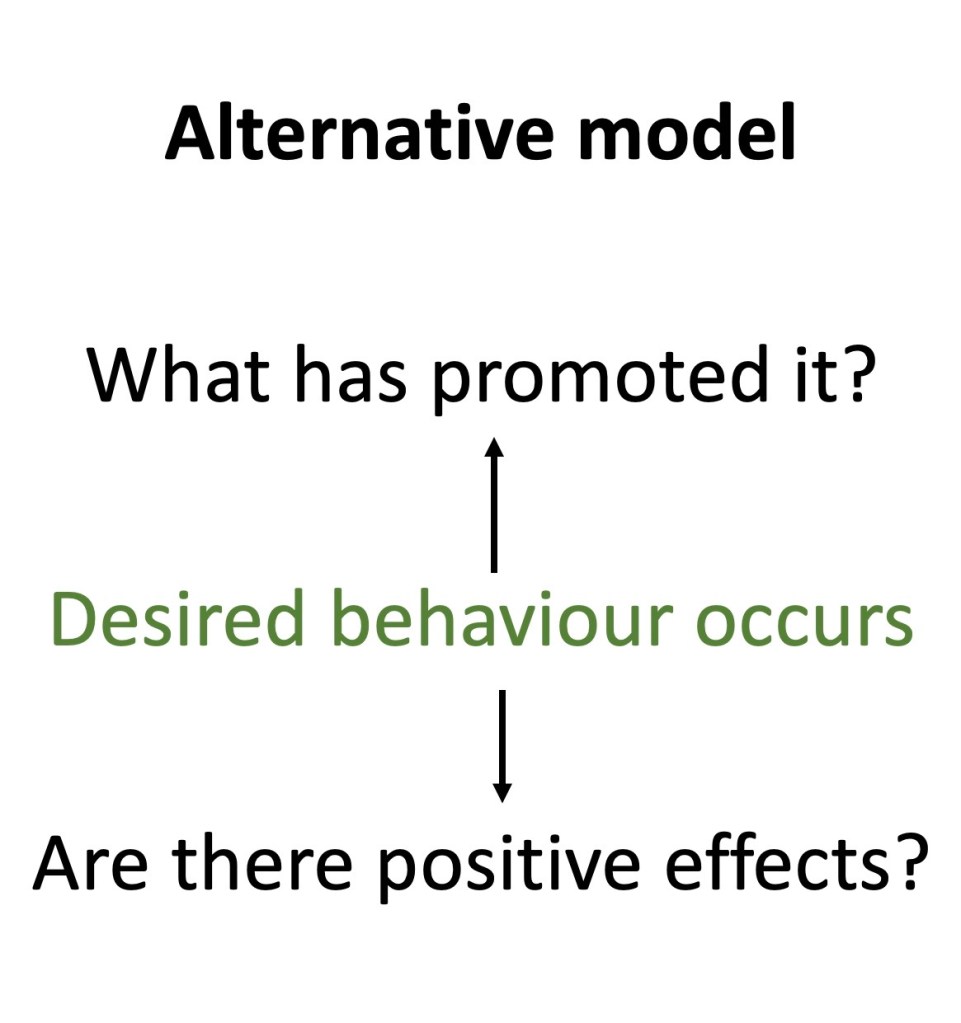
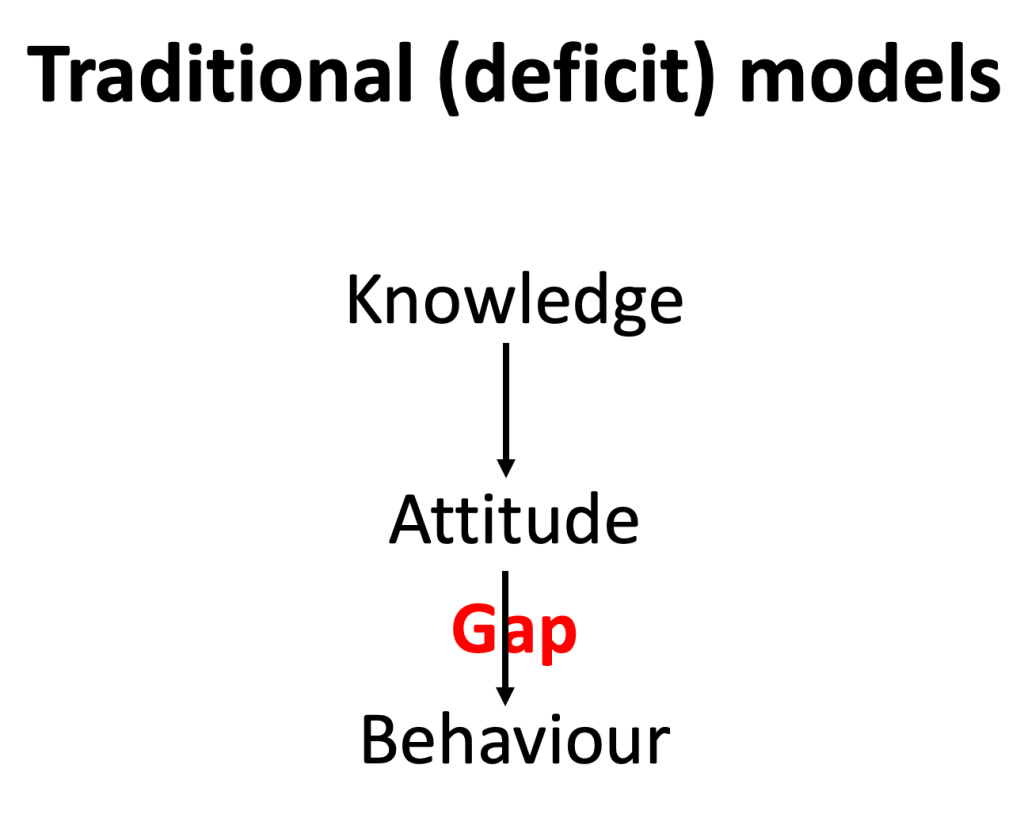
Traditional Model vs Alternative Model
- The study of what is going right should be as important – if not more – as the study of what is going wrong (Seligman, 2002b);
- Engaging into what has been defined by Seligman (2002a) as a meaningful life (as compared to a pleasurable life and a good life), meaning “serving what is larger and more worthwhile than the just the self’s pleasures and desires” (Seligman & Royzman, 2003, p.3) – is key to well-being. (Seligman, 2002a; Seligman & Royzman, 2003).
,
What does our research suggest?
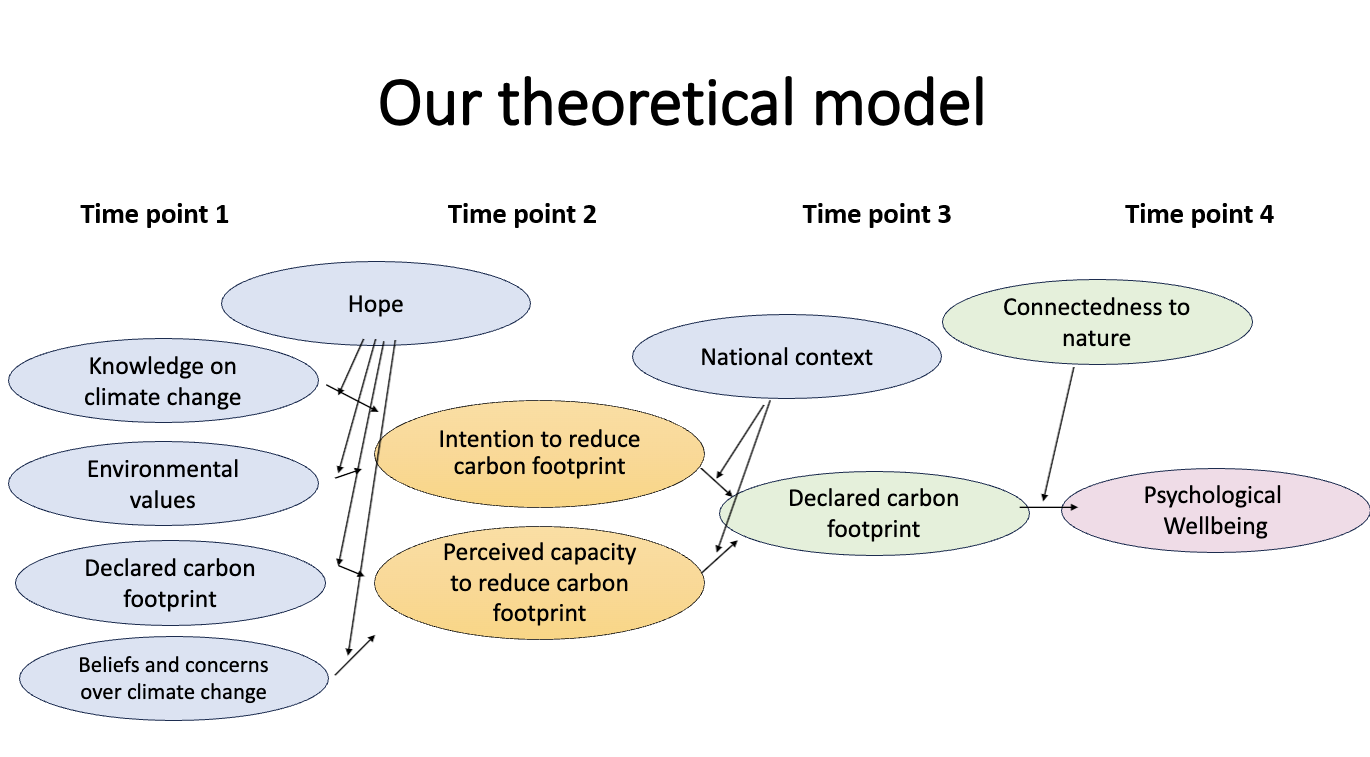
- A new theoretical model
- Capstick (2018) suggests the Privilege hypothesis: strength and significance of the relationship between pro-environmental behaviour and psychological well-being varies according to the economic development of the country where one lives.
- Tobler et al. (2012) suggests that knowledge on climate change predicts intention to reduce carbon footprint.
- Jolley & Douglas (2014) suggests that misinformation over climate change decreases intentions to lower one’s carbon footprint.
References
Capstick, S., Whitmarsh, L., Nash, N., Poortinga, W., Lord, J., & Haggar, P. (2018). Relationships between pro-environmental behaviour, personal values and wellbeing across cultural settings. Unpublished document.
Jolley, D., & Douglas, K. M. (2014). The social consequences of conspiracism: Exposure to conspiracy theories decreases intentions to engages in politics and to reduce one’s carbon footprint. British Journal of Psychology, 105(1), 35-56. https://doi.org/10.1111/bjop.12018
Lee, H., Calvin, K., Dasgupta, D., Krinner, G., Mukherji, A., Thorne, P., … & Zommers, Z. (2023). Climate change 2023: synthesis report. Contribution of working groups I, II and III to the sixth assessment report of the intergovernmental panel on climate change. 1-184. doi: 10.59327/IPCC/AR6-9789291691647.
Marlon, J. R., Bloodhart, B., Ballew, M. T., Rolfe-Redding, J., Roser-Renouf, C., Leiserowitz, A., & Maibach, E. (2019). How hope and doubt affect climate change mobilization. Frontiers in Communication, 4, 20. https://doi.org/10.3389/fcomm.2019.00020
Ojala, M. (2023). Hope and climate-change engagement from a psychological perspective. Current Opinion in Psychology, 49, 101514. https://www.sciencedirect.com/science/article/pii/S2352250X22002354
Seligman, M. E. P. (2002a). Authentic happiness: Using the new positive psychology to realize your potential for lasting fulfillment. The Free Press. https://www.savetovalistebalans.rs/wp-content/uploads/2021/06/Authentic-Happiness-Using-the-New-Positive-Psychology-to-Realize-Your-Potential-for-Lasting-Fulfillment-by-Martin-E.P.-Seligman.pdf
Seligman, M. E. P. (2002b). Positive psychology, positive prevention, and positive therapy. Handbook of positive psychology, 2(2002), 3-12. https://www.researchgate.net/publication/272078973_Positive_Psychology_Positive_Prevention_and_Positive_Therapy
Tobler, C., Visschers, V. H., & Siegrist, M. (2012). Consumers’ knowledge about climate change. Climatic change, 114(2), 189-209. https://doi.org/10.1007/s10584-011-0393-1
UNDP. (2026). The SDPGS In Action. https://www.undp.org/sustainable-development-goals

